How Reverse Auction Software Save Cost and Boost Procurement Efficiency?
Traditional procurement methods, while still effective in some cases, are often time-consuming, opaque, and prone to negotiation delays. This is where Reverse Auction Software steps in as a transformative tool — streamlining sourcing, encouraging competitive pricing, and driving efficiency across procurement functions.
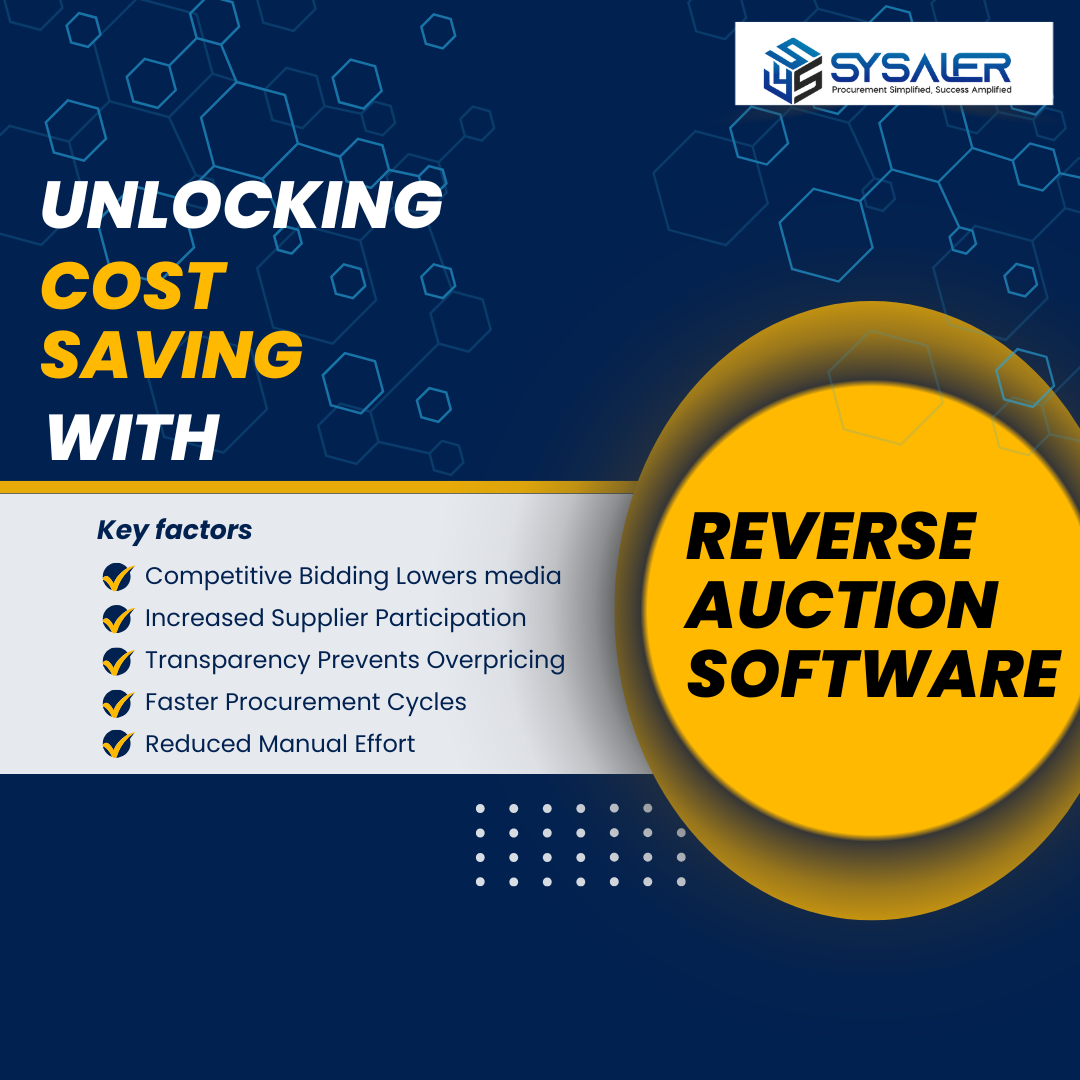
Reverse Auction Software helps organizations save costs and improve procurement performance.
A reverse auction is a type of auction where the roles of buyer and seller are reversed. Instead of sellers bidding for the highest price, suppliers compete to offer the lowest possible price to win the buyer’s business. Reverse Auction Software facilitates this process online, in real-time, making it faster, more transparent, and highly competitive.
1. Competitive Bidding Drives Prices Down
One of the most immediate and obvious benefits of reverse auctions is cost savings. When multiple qualified suppliers compete to win a contract, they continuously lower their bids to outdo each other. This downward pressure results in the buyer securing goods or services at the best market rate, often significantly lower than traditional negotiation methods.
Example:
A company looking to procure office supplies opens a reverse auction with 10 vendors. As they bid against each other, the final price is 18% lower than the original quote — delivering instant cost savings.
2. Increased Supplier Participation
Reverse Auction Software opens up the bidding process to a wider pool of suppliers. This increased competition naturally leads to better pricing and more innovative proposals. By inviting both local and global vendors to participate, businesses can avoid vendor lock-in and discover more cost-effective sources.
3. Transparent and Fair Procurement Process
Transparency is critical in procurement, especially when dealing with high-value or regulated contracts. Reverse Auction Software creates a level playing field where suppliers know they are competing fairly based on pricing and predefined conditions. The buyer also benefits from real-time visibility into bid histories and market trends, helping make informed decisions without bias or hidden negotiations.
4. Time Efficiency and Faster Procurement Cycles
Traditional procurement processes can take weeks — if not months — due to manual evaluations, back-and-forth negotiations, and paperwork. Reverse Auction Software automates and accelerates the entire bidding process. What once took weeks can now be completed in a matter of hours.
Key Efficiency Gains:
- Automated supplier invitations and reminders
- Real-time bidding and decision-making
- Integrated evaluation tools for quick contract awards
5. Reduced Administrative and Operational Costs
By digitizing and streamlining procurement activities, Reverse Auction Software cuts down on:
- Paperwork
- Manual communications
- Approval delays
This frees up procurement staff to focus on strategic sourcing and supplier relationship management, rather than repetitive administrative tasks. The result? Lower internal costs and more productive procurement teams.
6. Improved Spend Visibility and Analytics
Most reverse auction platforms come with built-in reporting and analytics tools. These provide insights into supplier performance, price trends, savings achieved, and more. Procurement teams can use this data to:
- Forecast future spend
- Identify sourcing opportunities
- Benchmark supplier offers
Better visibility means smarter decisions and ongoing cost optimization.
7. Aligns with Strategic Sourcing Goals
Reverse auctions aren’t just about getting the lowest price. Buyers can define rules that factor in quality, delivery terms, certifications, and more. This ensures suppliers compete not only on price but also on overall value — helping companies meet both financial and operational goals.
Reverse Auction Software is no longer a “nice-to-have” — it’s a strategic asset for modern procurement teams. By introducing competition, automating workflows, and increasing transparency, it helps companies cut costs, reduce cycle times, and improve supplier relationships.
Whether you’re a small business or a large enterprise, implementing reverse auctions can deliver measurable savings and long-term value. As procurement continues to evolve, tools like these are essential for staying ahead of the curve.

.jpg)
.jpg)
Comments
Post a Comment