How to Supplier Negotiations Through Effective Procurement? Sysaler
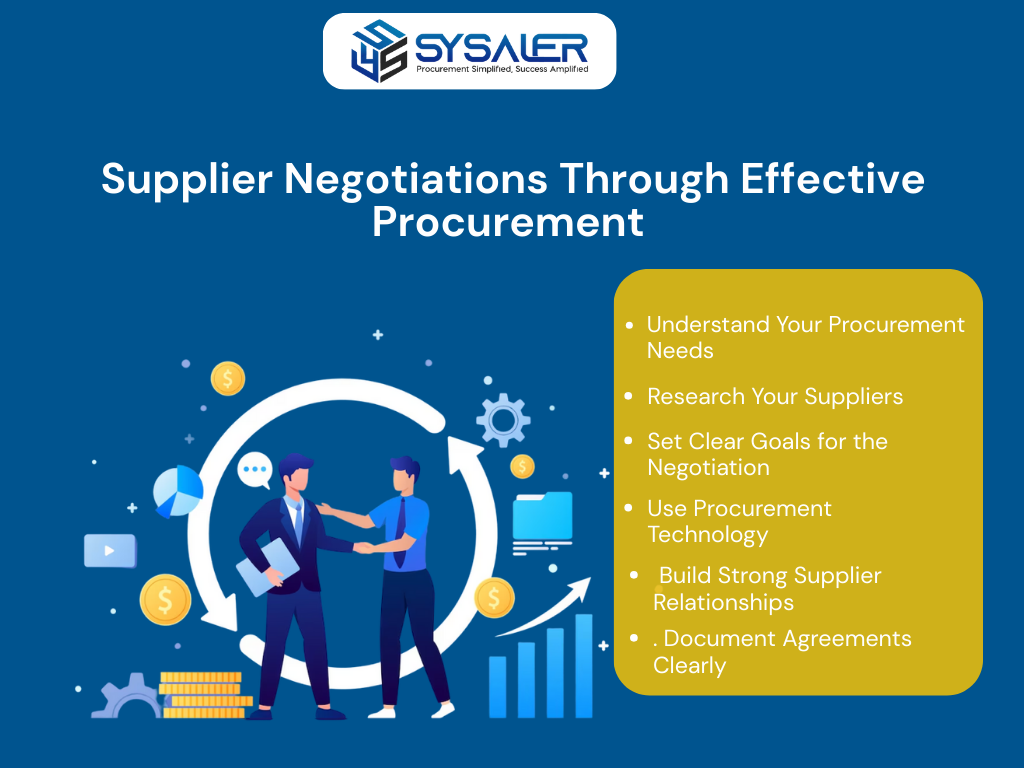
In today’s fast-moving business world, effective procurement isn’t just about buying goods and services — it’s about building strategic relationships with suppliers. One of the most important skills in this area is negotiation. The way you negotiate with suppliers can impact your business costs, quality, delivery time, and long-term success.
Let’s explore how effective procurement practices can help you master supplier negotiations and create win-win outcomes.
1. Understand Your Procurement Needs
Before negotiating, know what you’re buying and why. Make sure your procurement team clearly understands:
The quantity and quality of the product or service
Your budget limitations
Timeline requirements
Any compliance or regulatory standards
A clear understanding gives you confidence during supplier discussions and prevents miscommunication.
2. Research Your Suppliers Thoroughly
Effective procurement starts with choosing the right supplier. Do your homework:
Check their track record, customer reviews, and financial health.
Understand their pricing model and flexibility.
Compare multiple suppliers to create leverage during negotiation.
Knowledge is power — when you know what the market offers, you can negotiate from a position of strength.
3. Set Clear Goals for the Negotiation
Define what you want from the negotiation beyond price:
Better payment terms
Faster delivery
Customized products
Warranty or support
Knowing your priorities helps focus the discussion and shows suppliers you’re serious about building a long-term relationship.
4. Use Procurement Technology to Your Advantage
Procurement software — like Sysaler — streamlines negotiation by providing:
Supplier performance data
Real-time cost comparisons
Automated RFQs and bids
Transparent communication channels
Digital tools reduce guesswork and improve your chances of securing the best deal.
5. Build Strong Supplier Relationships
Negotiation isn’t about pushing for the lowest price — it’s about creating mutual value.
Listen to the supplier’s concerns and challenges.
Be respectful and open-minded.
Offer long-term business for better terms today.
Strong relationships lead to loyalty, faster service, and better flexibility when unexpected issues arise.
6. Document Agreements Clearly
Always follow up on your negotiations with a written contract that includes:
Finalized pricing
Payment schedule
Delivery details
Return or dispute resolution terms
This avoids confusion and protects both parties.
Conclusion
Successful supplier negotiations are a key part of effective procurement. With a solid strategy, clear communication, and the right digital tools, your business can unlock better deals, reduce risks, and build lasting supplier partnerships.
Want to simplify procurement and improve negotiations? Try a smart solution like Sysaler and see the difference!

.jpg)
.jpg)
Comments
Post a Comment