What is a Request for Proposal (RFP), and how does it Work)? Sysaler
A Request for Proposal (RFP) is a formal document issued by an organization to solicit bids, proposals, or solutions from potential vendors or service providers. RFPs are typically used when an organization needs a specific service or product but wants to evaluate various proposals to determine which supplier can offer the best value in terms of cost, quality, innovation, and expertise. RFPs are most commonly used for complex projects requiring detailed specifications, professional services, or tailored solutions.
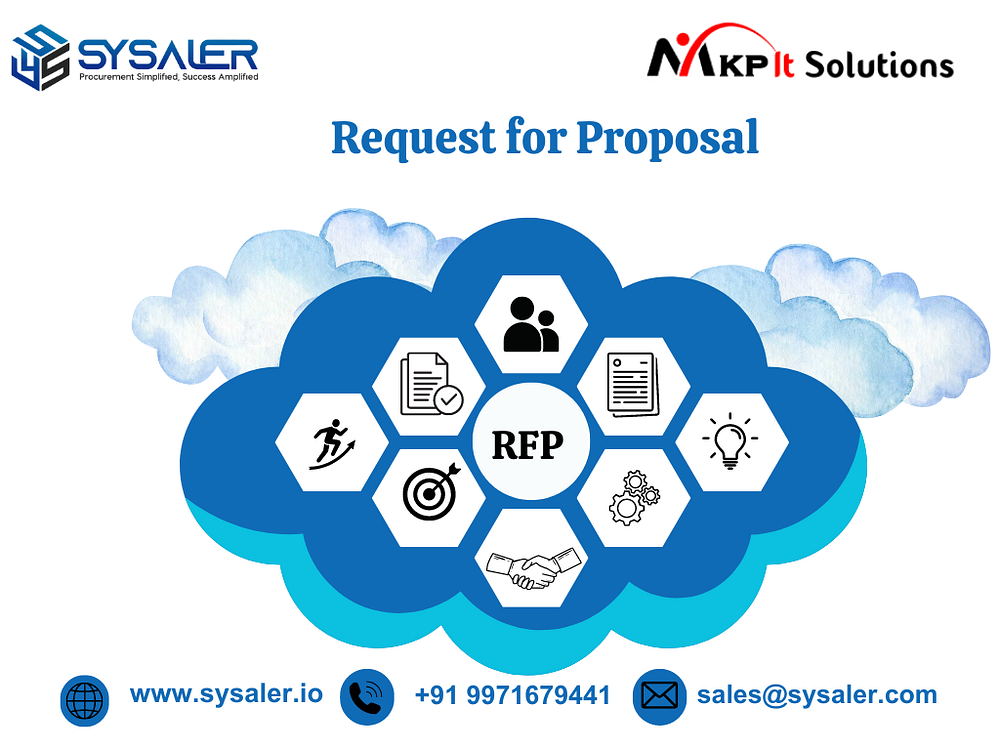
Key Components of an RFP
An RFP document usually contains the following sections:
- Introduction and Background: Provides an overview of the organization and the purpose of the project, outlining the problem that needs solving or the opportunity available.
- Project Scope: Clearly defines the project’s objectives, deliverables, and requirements. This section often includes technical specifications, timelines, and any constraints that need to be addressed.
- Submission Guidelines: Details on how vendors should submit their proposals, including deadlines, required formats, and documentation. It may also specify the evaluation criteria.
- Evaluation Criteria: Specifies the factors on which the proposals will be judged, such as experience, price, quality of the solution, timeline, and support.
- Terms and Conditions: Outlines any legal, financial, or contractual terms, such as payment schedules, warranties, and liability clauses.
- Contact Information: The points of contact for questions or clarifications regarding the RFP process.
How Does an RFP Work?
The RFP process typically follows several key stages, each designed to ensure that the organization selects the best possible vendor for the project. Here’s how it works:
1. Preparation and Issuance
The organization begins by identifying the need for a product, service, or solution and creates a detailed RFP document that outlines its requirements. The RFP is then issued to potential vendors, either publicly or through a targeted invitation.
2. Vendor Response
Vendors who receive the RFP review the document and decide whether they have the capability to meet the client’s needs. If interested, they submit a proposal that addresses all the specifications outlined in the RFP, including their solution, pricing, timeline, and experience.
3. Proposal Evaluation
After receiving responses, the issuing organization evaluates the proposals based on the criteria outlined in the RFP. This stage often includes reviewing technical details, comparing costs, and assessing the vendor’s experience and approach.
4. Vendor Shortlisting and Negotiation
Based on the evaluation, the organization typically narrows the field to a few shortlisted vendors. These vendors may be asked to provide additional information, make presentations, or undergo interviews. Negotiations may also occur at this stage to refine pricing or project terms.
5. Contract Award
After evaluating all proposals and conducting any necessary negotiations, the organization selects the vendor that offers the best value. A contract is then awarded, and the project proceeds according to the agreed-upon terms.
Visit our website https://www.sysaler.io/ for more details.
Contact Us- 099716 79441

.jpg)
.jpg)
Comments
Post a Comment