The Role of Procurement Management Software in the Supply Chain
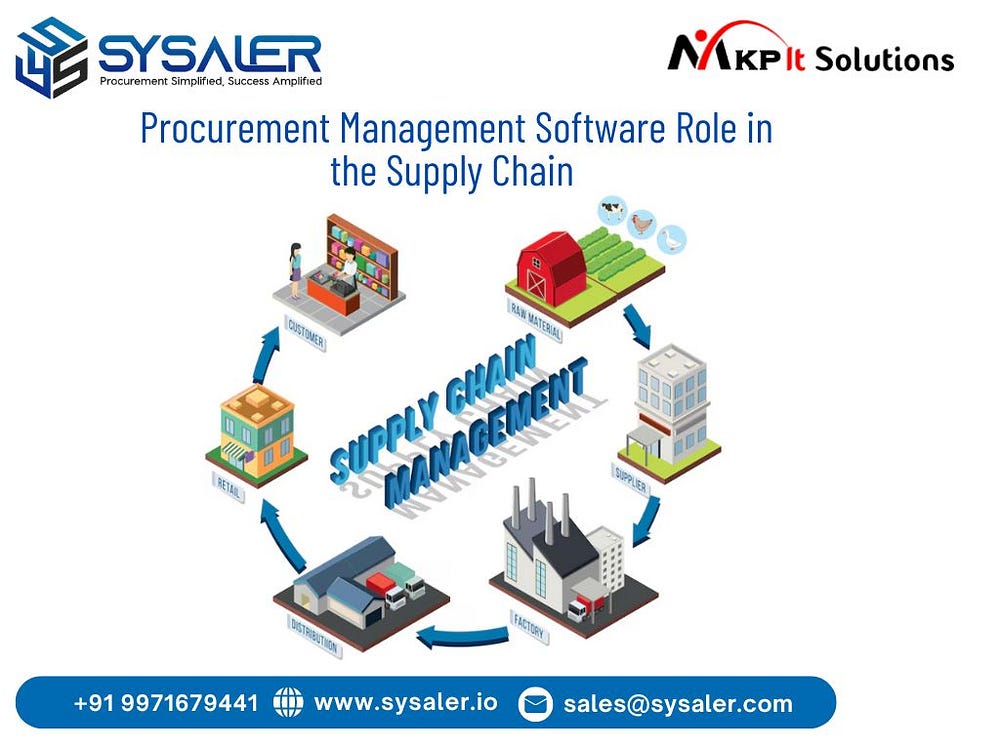
Procurement management software plays a crucial role in the modern supply chain, streamlining processes, improving efficiency, and ensuring that organizations can maintain a competitive edge in an increasingly complex and globalized market. Below is an overview of the key roles this software plays within the supply chain.
1. Procurement Processes
- Automated Workflows: Procurement management software automates many repetitive tasks involved in purchasing goods and services. This includes everything from order creation to approval processes, reducing manual errors and speeding up operations.
- Centralized Management: The software provides a unified platform for managing all procurement activities. This allows for better coordination between different departments and improves overall efficiency.
2. Enhancing Supplier Management
- Supplier Relationship Management: The software allows organizations to manage their relationship with suppliers.
- Supplier Evaluation and Selection: Procurement software often includes tools for evaluating and selecting suppliers based on various criteria such as price, quality, and delivery times.
3. Improving Cost Efficiency
- Spend Analysis: By providing detailed insights into procurement activities, the software helps organizations identify areas where they can reduce costs. This might include consolidating purchases, negotiating better terms with suppliers, or finding more cost-effective alternatives.
- Budget Control: Procurement management software integrates with financial systems to help monitor and control budgets. This ensures that procurement activities stay within the organization’s financial limits and helps avoid overspending.
4. Increasing Transparency and Compliance
- Audit Trails: The software maintains detailed records of all procurement activities, providing an audit trail that is essential for compliance with internal policies and external regulations.
- Regulatory Compliance: Many industries have strict regulations governing procurement practices. Procurement management software helps ensure that all activities are compliant with these regulations, reducing the risk of legal issues.
5. Optimizing Inventory Management
- Demand Forecasting: Advanced procurement software often includes tools for demand forecasting, helping organizations predict their future needs based on historical data and market trends. This enables more accurate planning and reduces the risk of stockouts or overstocking.
- Just-in-Time Inventory: By integrating with inventory management systems, procurement software helps support just-in-time inventory strategies, reducing holding costs and ensuring that materials are available when needed without excess.
6. Supporting Strategic Sourcing
- Market Analysis: The software provides tools for analyzing market trends, supplier markets, and pricing fluctuations. This information is crucial for making informed sourcing decisions and developing strategic partnerships.
- Competitive Bidding: Procurement software can facilitate competitive bidding processes, allowing organizations to solicit bids from multiple suppliers and choose the best offer. This can lead to cost savings and better terms.
Conclusion
Best Procurement management software is an indispensable tool in the modern supply chain, offering numerous benefits that range from cost savings and efficiency gains to improved compliance and collaboration. This processes, enhancing supplier management, and supporting data-driven decision-making, procurement software plays a vital role in ensuring that the supply chain operates smoothly and effectively. Organizations that invest in robust procurement management solutions are better positioned to navigate the complexities of today’s supply chains and achieve long-term success.

.jpg)
.jpg)
Comments
Post a Comment